Private Railway Sidings
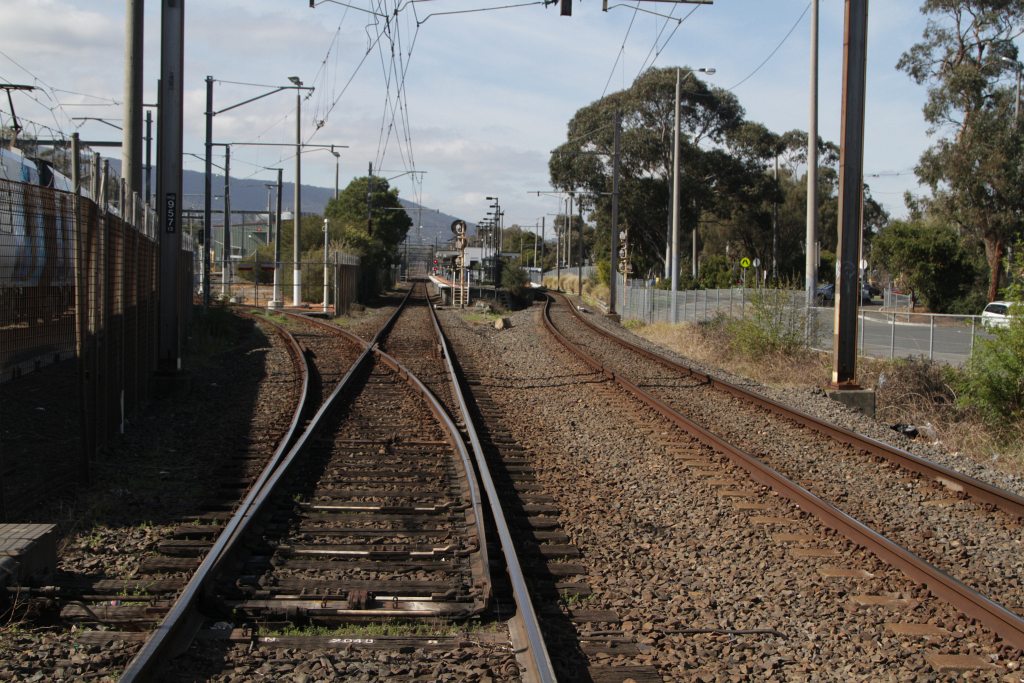
A siding, in rail terminology, is a low-speed track section distinct from a running line or through route such as a main line or branch line or spur. It may connect to through track or to other sidings at either end. Sidings often have lighter rails, meant for lower speed or less heavy traffic, and few, if any, signals. Sidings connected at both ends to a running line are commonly known as loops those not so connected may be referred to as single-ended or dead-end sidings, or (if short) stubs.
Sidings may be used for marshalling (classifying), stabling, storing, loading, and unloading vehicles.
Common sidings store stationary rolling stock, especially for loading and unloading. Industrial sidings (also known as spurs) go to factories, mines, quarries, wharves, warehouses, some of them are essentially links to industrial railways. Such sidings can sometimes be found at stations for public use[clarification needed]; in American usage these are referred to as team tracks (after the use of teams of horses to pull wagons to and from them). Sidings may also hold maintenance of way equipment or other equipment, allowing trains to pass, or store helper engines between runs.
Some sidings have very occasional use, having been built, for example, to service an industry, a railway yard or a stub of a disused railway that has since closed. It is not uncommon for an infrequently-used siding to fall into disrepair.